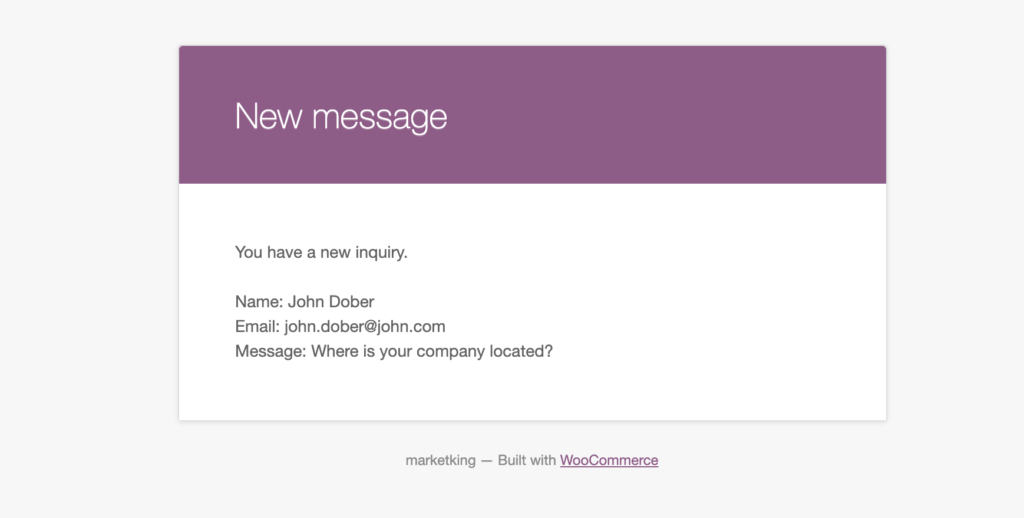
The messaging module is designed to allow easy communication with vendors through individual conversations or chats. Both vendors and admins (or other participants) can leave messages and communicate back and forth, as opposed to announcements, which cannot be replied to. Vendors can view messages in their dedicated vendor dashboard and are also notified of new messages by email, depending on their email preference settings.
The messaging module can be enabled via MarketKing -> Modules:
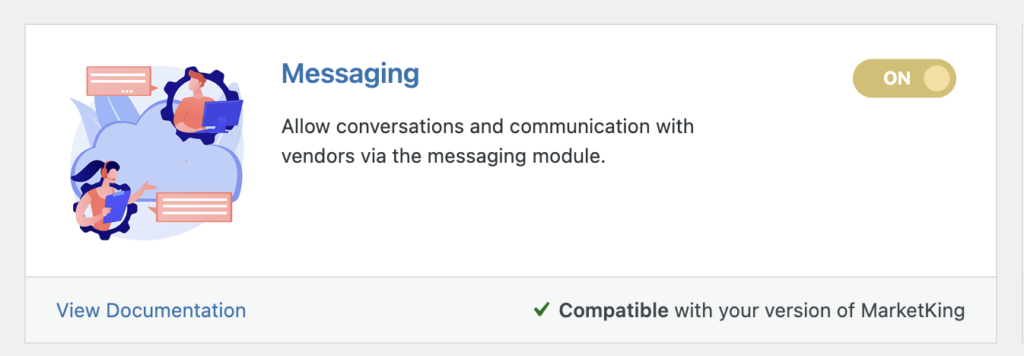
In a marketplace platform, vendors and marketplace management need to stay in touch and constantly resolve queries related to specific customers, disputes, orders, payouts, and more. The messaging module offers a great solution for this through its versatility and ease of use.
Here is what a conversation looks like in the vendor's dashboard:
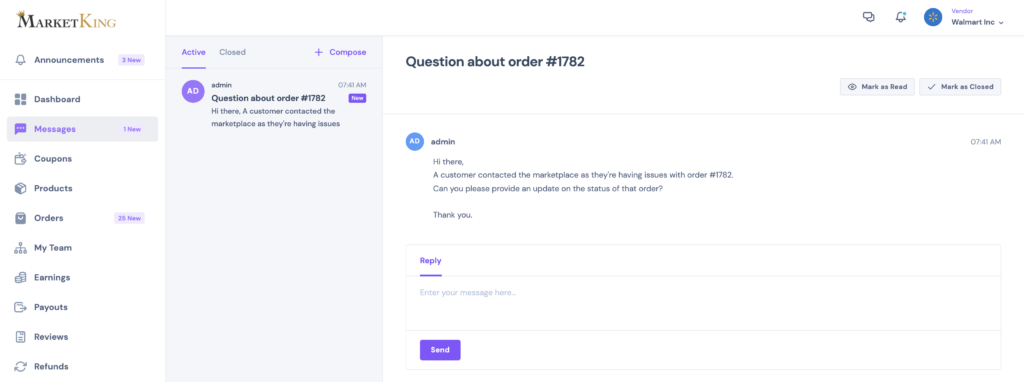
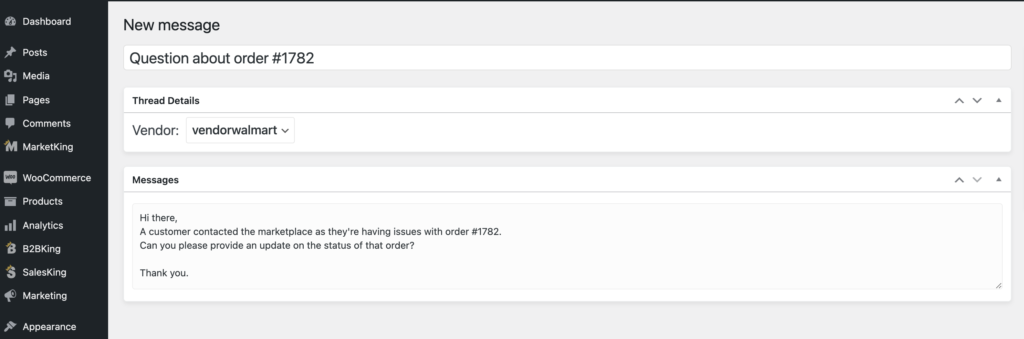
In this particular case, the conversation was initiated by the admin. Here's what that looks like on the admin side:
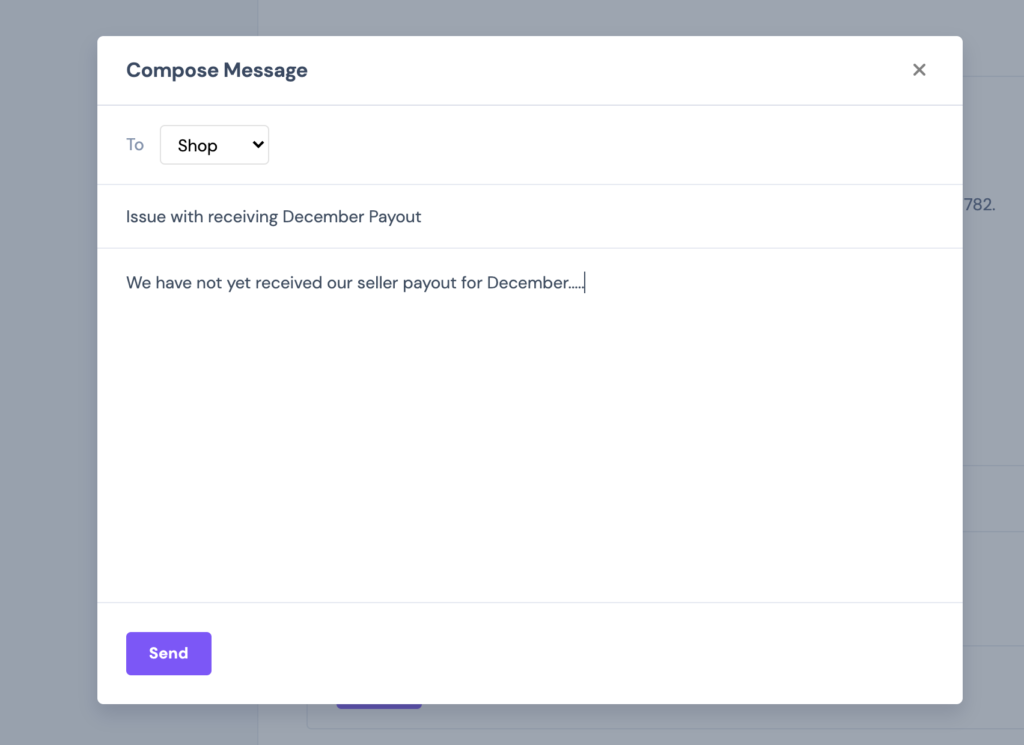
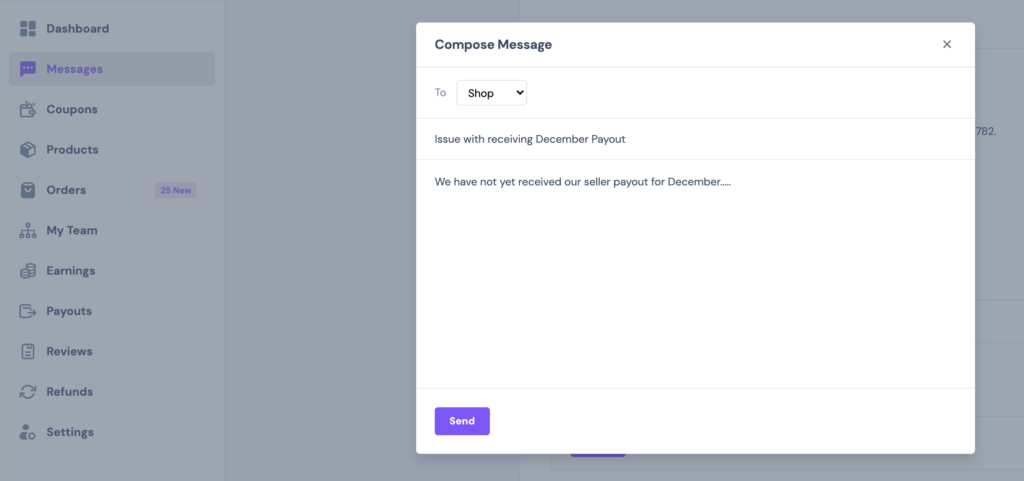
Vendors can also initiate conversations from their end:
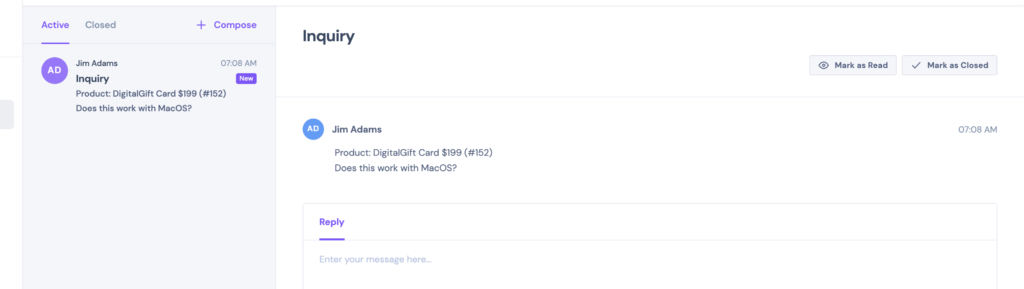
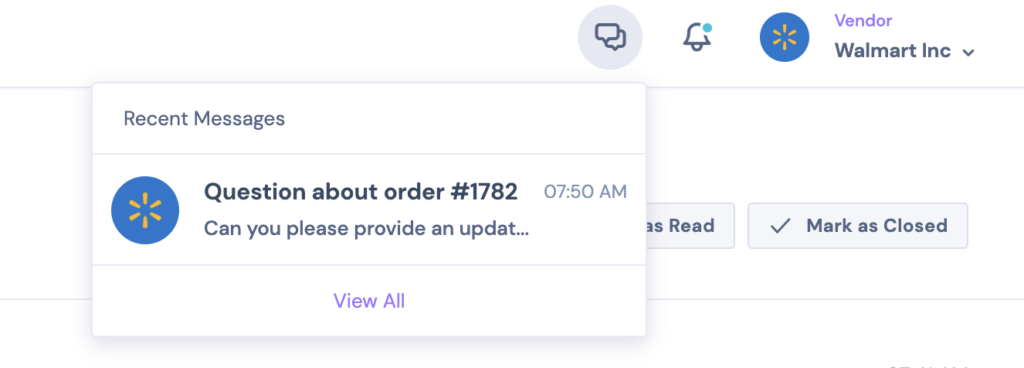
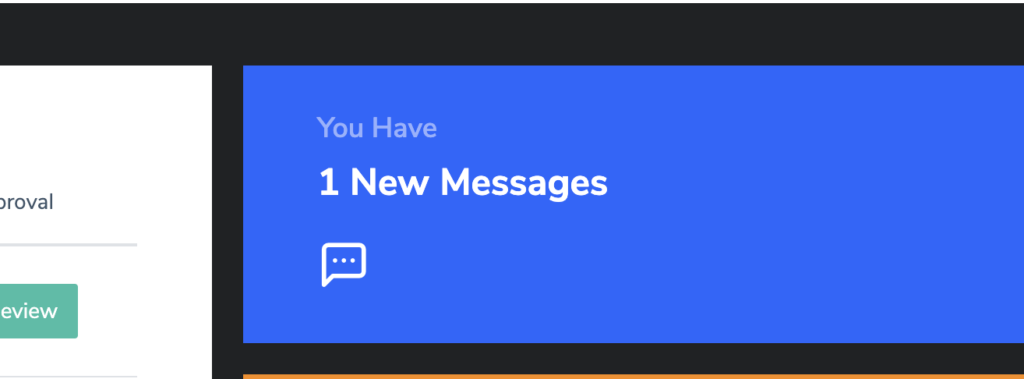
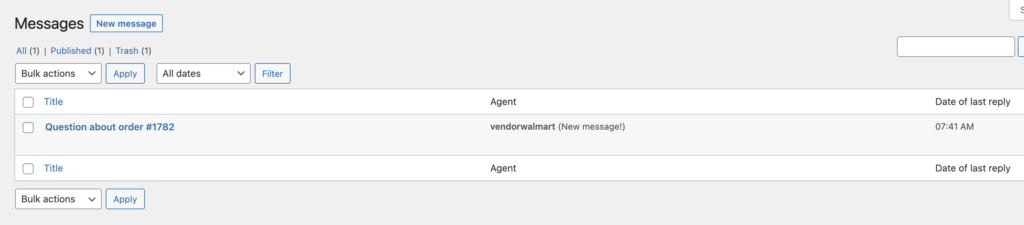
When a vendor initiates a conversation, the admin or shop manager can view it in the site backend under MarketKing -> Messages. They also see a notification in the admin dashboard:
Emails and Preferences
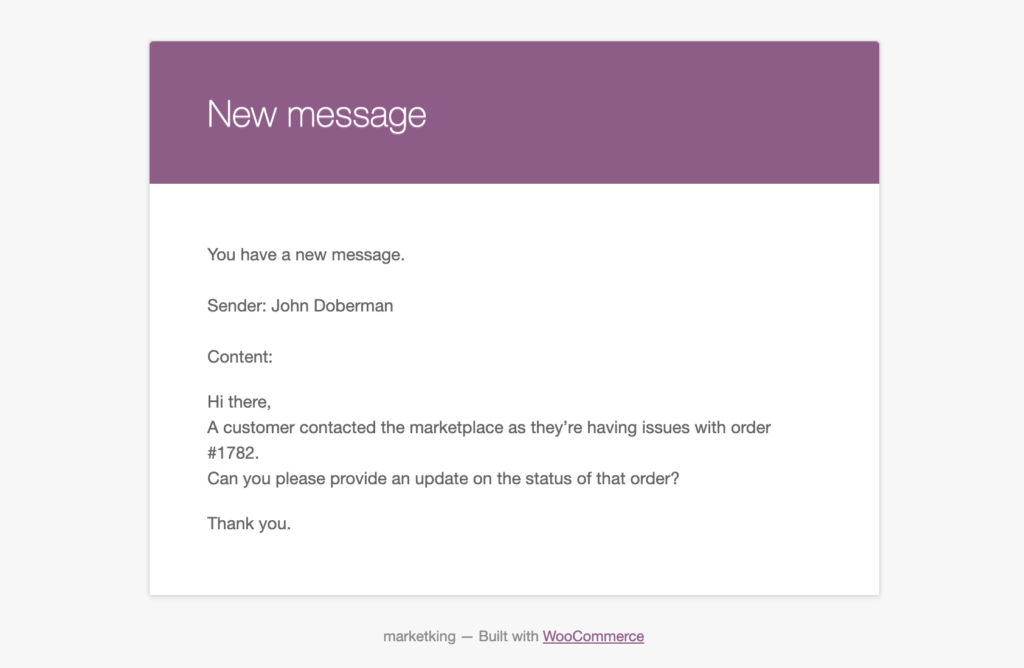
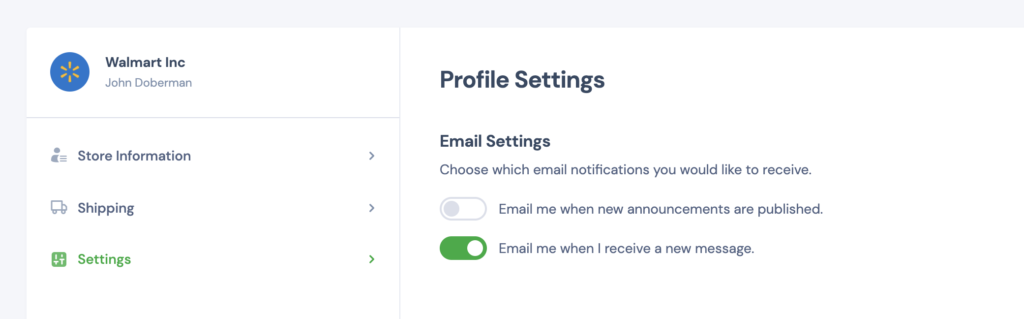
By default, the plugin sends an email for each message to either the admin or the vendor. This email can be configured in WooCommerce -> Settings -> Emails. Each vendor can choose whether or not to receive these emails in their profile settings.
Active and Closed Conversations
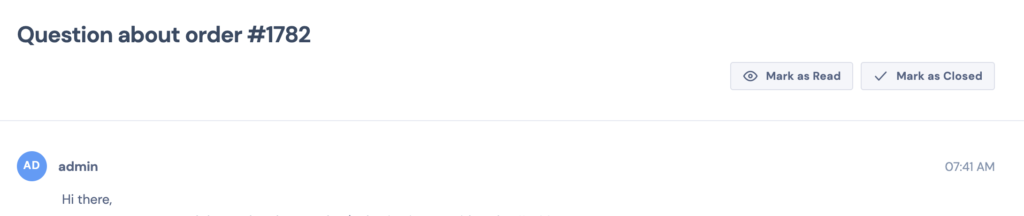
To make managing conversations easier, vendors can mark them as read or closed. Once a conversation is marked as read, it no longer shows notification badges in the dashboard. When closed, it is archived in a separate section.
Product & Vendor Inquiries
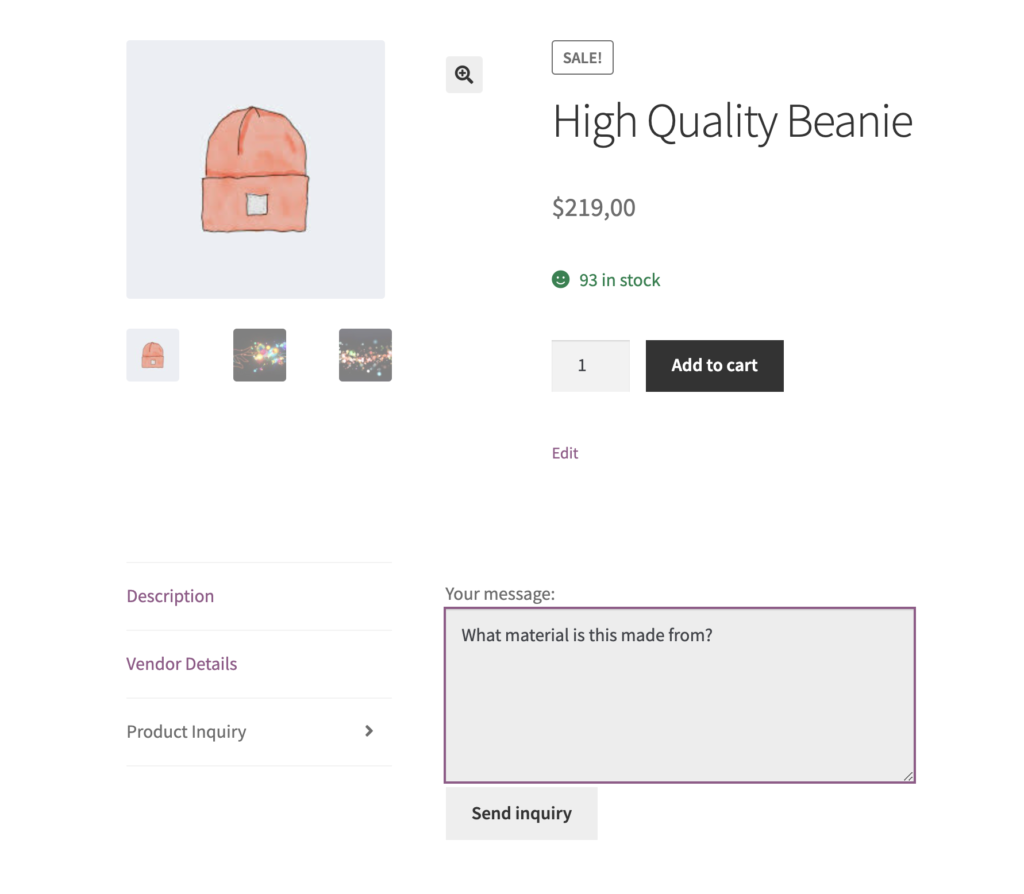
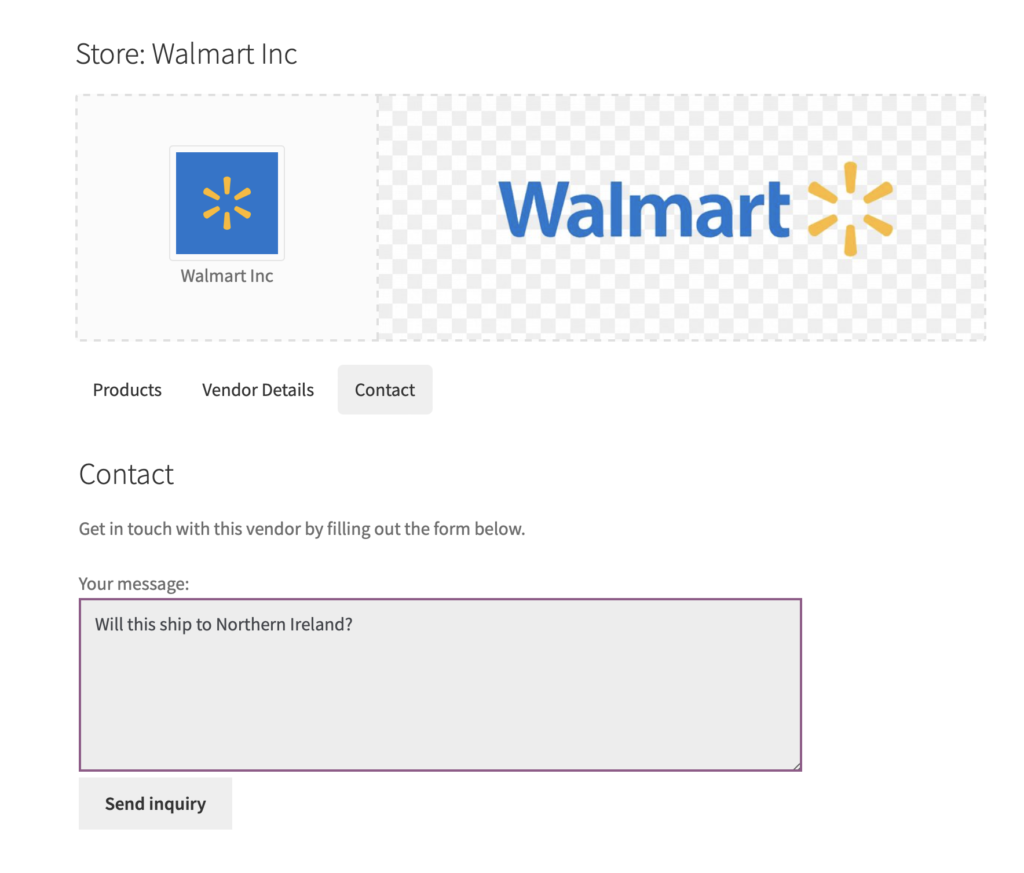
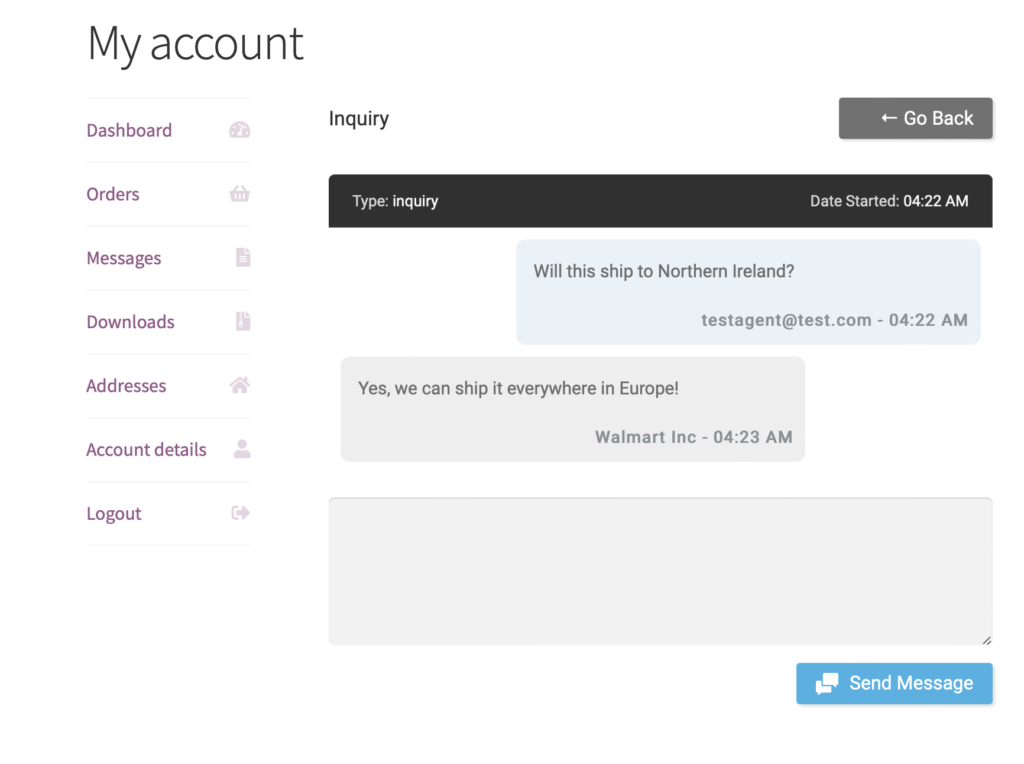
MarketKing also includes a product and vendor inquiries module that allows customers to contact vendors directly. This module can optionally use the messaging system described above. Through this mechanism, vendors can have back-and-forth chats with customers, initiated from either a specific product page or store page. Please refer to the dedicated module page linked above for more details.